
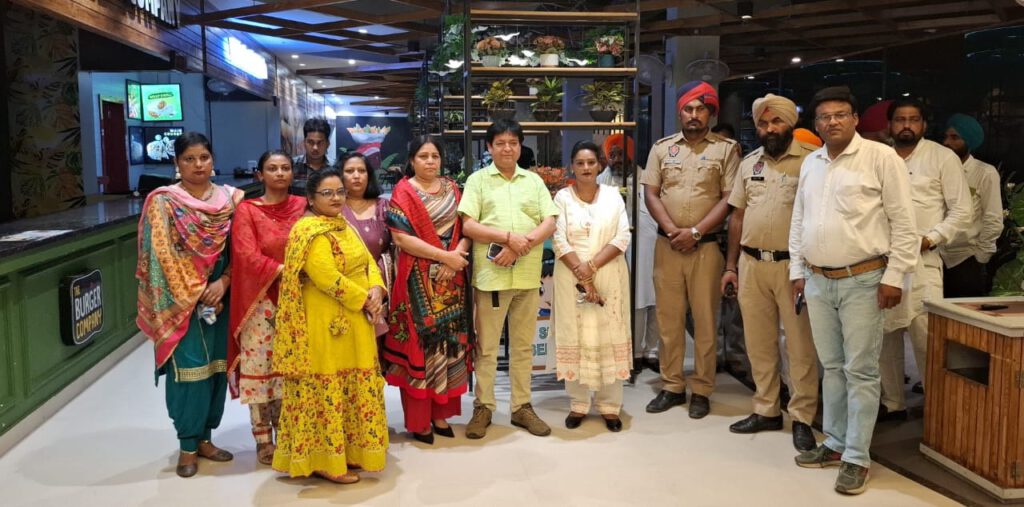
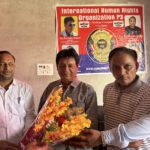
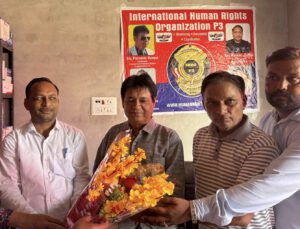
 इंटरनेशनल ह्यूमन राइट्स ऑर्गेनाइजेशन फॉर पुलिस पब्लिक प्रेस की मीटिंग: नशे को जड़ से उखाड़ने की शपथ ली गई.
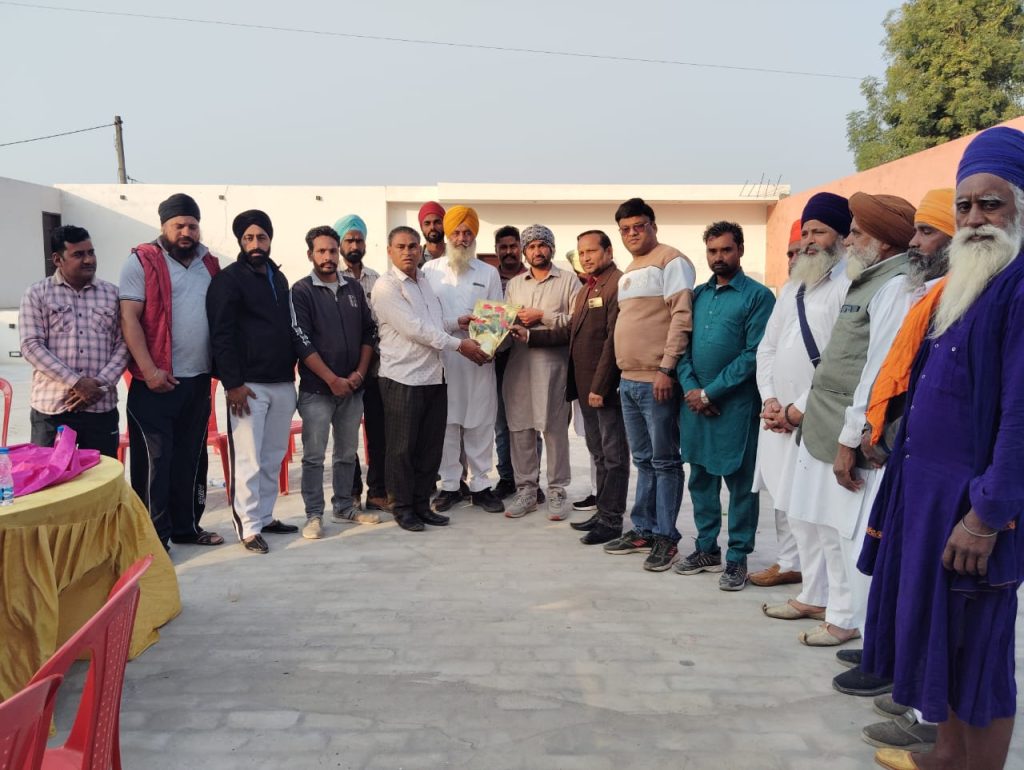
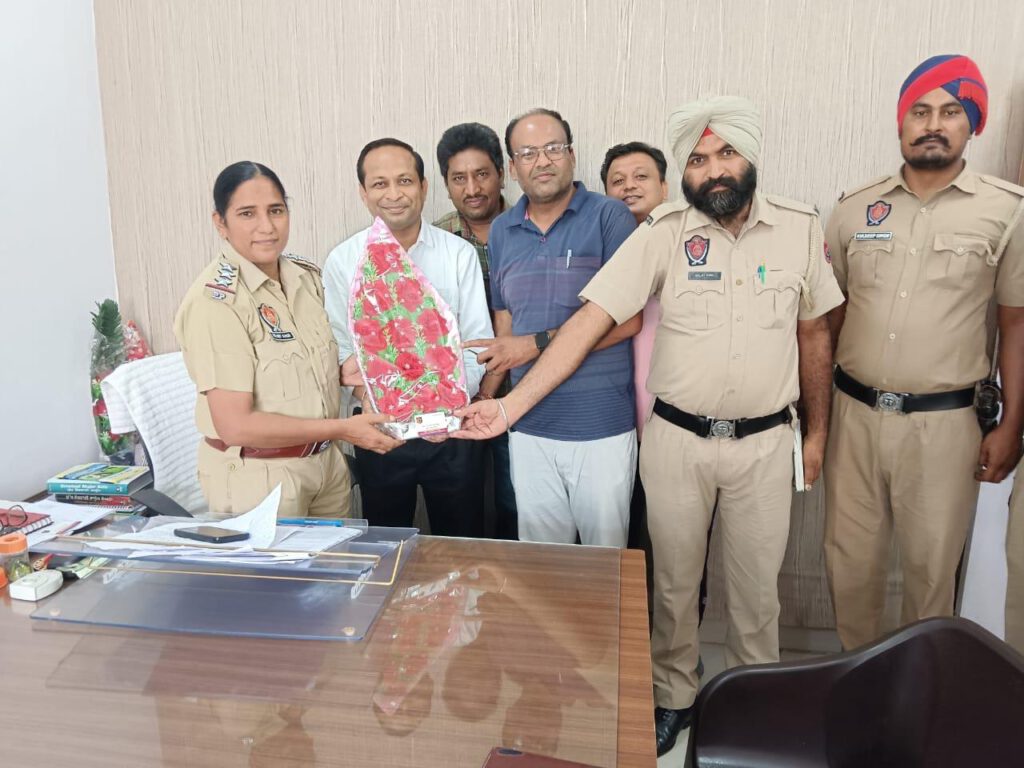
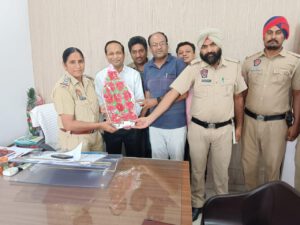
  ਮਾਨਸਾ ਵਿਖੇ ਥਾਣਾ ਸਿਟੀ 1 ਵਿੱਚ ਆਏ ਨਵੇਂ ਐਸ ਐਚ ਓ ਸ਼੍ਰੀ ਮਤੀ ਬੇਅੰਤ ਕੌਰ ਦਾ ਹਿਊਮਨ ਰਾਇਟ ਦੇ ਮੈਂਬਰਾਂ ਵੱਲੋਂ ਸਨਮਾਨ
  भारत में मानवाधिकारों से सम्बन्धित घटनाओं के कालक्रम
  News
News 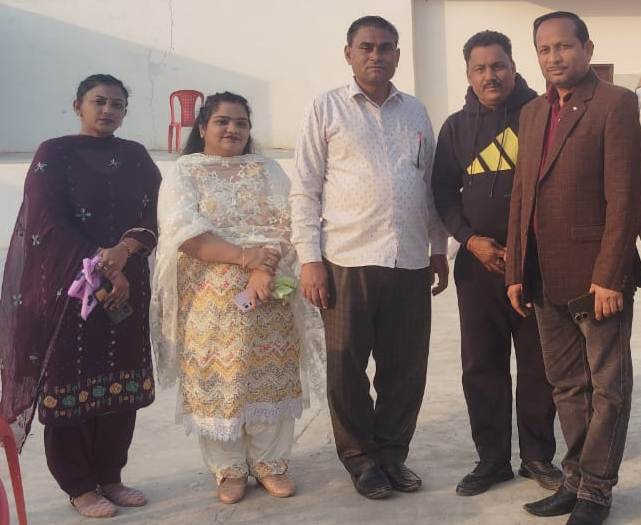




The Role of Non Governmental Organization

Globally the champions of human rights have most often been citizens, not government officials. In particular, non governmental organizations (NGOs) have played a cardinal role in focusing the international community on human rights issues. For example, NGO activities surrounding the 1995 United Nations Fourth World Conference on Women in Beijing, China, drew unprecedented attention to serious violations of the human rights of women. NGOs such as Amnesty International, International Human Rights Organization for Police Public Press, the Antislavery Society, the International Commission of Jurists, the International Working Group on Indigenous Affairs, Human Rights Watch, Minnesota Advocates for Human Rights, and Survivors International monitor the actions of governments and pressure them to act according to human rights principles
Government officials who understand the human rights framework can also effect far reaching change for freedom. Many United States Presidents such as Abraham Lincoln, Franklin Roosevelt, Lyndon B. Johnson,Jimmy Carter and Barack Obama
have taken strong stands for human rights. In other countries leaders like Nelson Mandela and Vaclev Havel have brought about great changes under the banner of human rights.
Human rights is an idea whose time has come. The Universal Declaration of Human Rights is a call to freedom and justice for people throughout the world. Every day governments that violate the rights of their citizens are challenged and called to task. Every day human beings worldwide mobilize and confront injustice and inhumanity. Like drops of water falling on a rock, they wear down the forces of oppression and move the world closer to achieving the principles expressed in the Universal Declaration of Human Right.
Parveen Komal Chairman
एन जीओज़ की भूमिका
विश्व स्तर पर मानवाधिकारों के चैंपियन अक्सर नागरिक ही रहे हैं, सरकारी अधिकारी नहीं। विशेष रूप से, गैर-सरकारी संगठनों (एनजीओ) ने मानवाधिकार मुद्दों पर अंतर्राष्ट्रीय समुदाय का ध्यान केंद्रित करने में प्रमुख भूमिका निभाई है। उदाहरण के लिए, 1995 में बीजिंग, चीन में महिलाओं पर संयुक्त राष्ट्र के चौथे विश्व सम्मेलन के आसपास एनजीओ गतिविधियों ने महिलाओं के मानवाधिकारों के गंभीर उल्लंघन की ओर अभूतपूर्व ध्यान आकर्षित किया। एमनेस्टी इंटरनेशनल, इंटरनेशनल ह्यूमन राइट्स ऑर्गेनाइजेशन फॉर पुलिस पब्लिक प्रेस, एंटीस्लेवरी सोसाइटी, इंटरनेशनल कमीशन ऑफ ज्यूरिस्ट्स, इंटरनेशनल वर्किंग ग्रुप ऑन इंडिजिनस अफेयर्स, ह्यूमन राइट्स वॉच, मिनेसोटा एडवोकेट्स फॉर ह्यूमन राइट्स और सर्वाइवर्स इंटरनेशनल जैसे गैर सरकारी संगठन इनके कार्यों की निगरानी करते हैं। सरकारें और उन पर मानवाधिकार सिद्धांतों के अनुसार कार्य करने का दबाव डालती हैं
सरकारी अधिकारी जो मानवाधिकार ढांचे को समझते हैं, वे भी स्वतंत्रता के लिए दूरगामी परिवर्तन ला सकते हैं। कई संयुक्त राज्य अमेरिका के राष्ट्रपति जैसे अब्राहम लिंकन, फ्रैंकलिन रूजवेल्ट, लिंडन बी जॉनसन, जिमी कार्टर और बराक ओबामा
मानवाधिकारों के लिए कड़ा रुख अपनाया है। अन्य देशों में नेल्सन मंडेला और वेक्लेव हेवेल जैसे नेताओं ने मानवाधिकारों के बैनर तले बड़े बदलाव लाए हैं।
मानवाधिकार एक विचार है जिसका समय आ गया है। मानवाधिकारों की सार्वभौम घोषणा दुनिया भर के लोगों के लिए स्वतंत्रता और न्याय का आह्वान है। हर दिन अपने नागरिकों के अधिकारों का उल्लंघन करने वाली सरकारों को चुनौती दी जाती है और उन पर कार्रवाई की जाती है। हर दिन दुनिया भर में मनुष्य संगठित होते हैं और अन्याय और अमानवीयता का सामना करते हैं। चट्टान पर गिरने वाली पानी की बूंदों की तरह, वे उत्पीड़न की ताकतों को कमजोर करते हैं और दुनिया को मानव अधिकारों की सार्वभौमिक घोषणा में व्यक्त सिद्धांतों को प्राप्त करने के करीब ले जाते हैं।
परवीन कोमल चेयरमैन
ਐਨ ਜੀਓਜ਼ ਦੀ ਭੂਮਿਕਾ
ਵਿਸ਼ਵ ਪੱਧਰ ‘ਤੇ ਮਨੁੱਖੀ ਅਧਿਕਾਰਾਂ ਦੇ ਚੈਂਪੀਅਨ ਆਮ ਤੌਰ ‘ਤੇ ਨਾਗਰਿਕ ਰਹੇ ਹਨ, ਸਰਕਾਰੀ ਅਧਿਕਾਰੀ ਨਹੀਂ। ਖਾਸ ਤੌਰ ‘ਤੇ, ਗੈਰ-ਸਰਕਾਰੀ ਸੰਗਠਨਾਂ (ਐਨ.ਜੀ.ਓਜ਼) ਨੇ ਮਨੁੱਖੀ ਅਧਿਕਾਰਾਂ ਦੇ ਮੁੱਦਿਆਂ ‘ਤੇ ਅੰਤਰਰਾਸ਼ਟਰੀ ਭਾਈਚਾਰੇ ਦਾ ਧਿਆਨ ਕੇਂਦਰਿਤ ਕਰਨ ਵਿੱਚ ਮੁੱਖ ਭੂਮਿਕਾ ਨਿਭਾਈ ਹੈ। ਉਦਾਹਰਨ ਲਈ, ਬੀਜਿੰਗ, ਚੀਨ ਵਿੱਚ ਔਰਤਾਂ ਬਾਰੇ 1995 ਵਿੱਚ ਸੰਯੁਕਤ ਰਾਸ਼ਟਰ ਦੀ ਚੌਥੀ ਵਿਸ਼ਵ ਕਾਨਫਰੰਸ ਦੇ ਆਲੇ ਦੁਆਲੇ ਗੈਰ-ਸਰਕਾਰੀ ਸੰਗਠਨਾਂ ਦੀਆਂ ਗਤੀਵਿਧੀਆਂ ਨੇ ਔਰਤਾਂ ਦੇ ਮਨੁੱਖੀ ਅਧਿਕਾਰਾਂ ਦੀ ਗੰਭੀਰ ਉਲੰਘਣਾ ਵੱਲ ਬੇਮਿਸਾਲ ਧਿਆਨ ਖਿੱਚਿਆ। ਐਮਨੈਸਟੀ ਇੰਟਰਨੈਸ਼ਨਲ, ਇੰਟਰਨੈਸ਼ਨਲ ਹਿਊਮਨ ਰਾਈਟਸ ਆਰਗੇਨਾਈਜ਼ੇਸ਼ਨ ਫਾਰ ਪੁਲਿਸ ਪਬਲਿਕ ਪ੍ਰੈਸ, ਦ ਐਂਟੀਸਲੇਵਰੀ ਸੋਸਾਇਟੀ, ਇੰਟਰਨੈਸ਼ਨਲ ਕਮਿਸ਼ਨ ਆਫ਼ ਜਿਊਰਿਸਟ, ਇੰਟਰਨੈਸ਼ਨਲ ਵਰਕਿੰਗ ਗਰੁੱਪ ਆਨ ਇੰਡੀਜੀਨਸ ਅਫੇਅਰਜ਼, ਹਿਊਮਨ ਰਾਈਟਸ ਵਾਚ, ਮਿਨੀਸੋਟਾ ਐਡਵੋਕੇਟਸ ਫਾਰ ਹਿਊਮਨ ਰਾਈਟਸ, ਅਤੇ ਸਰਵਾਈਵਰਜ਼ ਇੰਟਰਨੈਸ਼ਨਲ ਵਰਗੀਆਂ ਐਨਜੀਓਜ਼ ਦੀਆਂ ਕਾਰਵਾਈਆਂ ਦੀ ਨਿਗਰਾਨੀ ਕਰਦੀਆਂ ਹਨ। ਸਰਕਾਰਾਂ ਨੂੰ ਮਨੁੱਖੀ ਅਧਿਕਾਰਾਂ ਦੇ ਸਿਧਾਂਤਾਂ ਅਨੁਸਾਰ ਕੰਮ ਕਰਨ ਲਈ ਦਬਾਅ ਪਾਉਂਦੀਆਂ ਹਨ
ਮਨੁੱਖੀ ਅਧਿਕਾਰਾਂ ਦੇ ਢਾਂਚੇ ਨੂੰ ਸਮਝਣ ਵਾਲੇ ਸਰਕਾਰੀ ਅਧਿਕਾਰੀ ਵੀ ਅਜ਼ਾਦੀ ਲਈ ਦੂਰਗਾਮੀ ਤਬਦੀਲੀ ਨੂੰ ਪ੍ਰਭਾਵਤ ਕਰ ਸਕਦੇ ਹਨ। ਅਬਰਾਹਮ ਲਿੰਕਨ, ਫਰੈਂਕਲਿਨ ਰੂਜ਼ਵੈਲਟ, ਲਿੰਡਨ ਬੀ. ਜੌਨਸਨ, ਜਿੰਮੀ ਕਾਰਟਰ ਅਤੇ ਬਰਾਕ ਓਬਾਮਾ ਵਰਗੇ ਕਈ ਸੰਯੁਕਤ ਰਾਜ ਦੇ ਰਾਸ਼ਟਰਪਤੀ
ਮਨੁੱਖੀ ਅਧਿਕਾਰਾਂ ਲਈ ਸਖ਼ਤ ਸਟੈਂਡ ਲਿਆ ਹੈ। ਦੂਜੇ ਦੇਸ਼ਾਂ ਵਿੱਚ ਨੈਲਸਨ ਮੰਡੇਲਾ ਅਤੇ ਵੈਕਲਾਵ ਹੈਵਲ ਵਰਗੇ ਨੇਤਾਵਾਂ ਨੇ ਮਨੁੱਖੀ ਅਧਿਕਾਰਾਂ ਦੇ ਬੈਨਰ ਹੇਠ ਵੱਡੀਆਂ ਤਬਦੀਲੀਆਂ ਲਿਆਂਦੀਆਂ ਹਨ।
ਮਨੁੱਖੀ ਅਧਿਕਾਰ ਇੱਕ ਵਿਚਾਰ ਹੈ ਜਿਸਦਾ ਸਮਾਂ ਆ ਗਿਆ ਹੈ। ਮਨੁੱਖੀ ਅਧਿਕਾਰਾਂ ਦੀ ਵਿਸ਼ਵਵਿਆਪੀ ਘੋਸ਼ਣਾ ਪੂਰੀ ਦੁਨੀਆ ਦੇ ਲੋਕਾਂ ਲਈ ਆਜ਼ਾਦੀ ਅਤੇ ਨਿਆਂ ਦੀ ਮੰਗ ਹੈ। ਹਰ ਰੋਜ਼ ਆਪਣੇ ਨਾਗਰਿਕਾਂ ਦੇ ਅਧਿਕਾਰਾਂ ਦੀ ਉਲੰਘਣਾ ਕਰਨ ਵਾਲੀਆਂ ਸਰਕਾਰਾਂ ਨੂੰ ਚੁਣੌਤੀ ਦਿੱਤੀ ਜਾਂਦੀ ਹੈ ਅਤੇ ਕੰਮ ਕਰਨ ਲਈ ਕਿਹਾ ਜਾਂਦਾ ਹੈ। ਹਰ ਰੋਜ਼ ਦੁਨੀਆ ਭਰ ਦੇ ਮਨੁੱਖ ਲਾਮਬੰਦ ਹੁੰਦੇ ਹਨ ਅਤੇ ਅਨਿਆਂ ਅਤੇ ਅਣਮਨੁੱਖੀਤਾ ਦਾ ਸਾਹਮਣਾ ਕਰਦੇ ਹਨ। ਚਟਾਨ ‘ਤੇ ਡਿੱਗਣ ਵਾਲੇ ਪਾਣੀ ਦੀਆਂ ਬੂੰਦਾਂ ਵਾਂਗ, ਉਹ ਜ਼ੁਲਮ ਦੀਆਂ ਤਾਕਤਾਂ ਨੂੰ ਪਛਾੜਦੇ ਹਨ ਅਤੇ ਮਨੁੱਖੀ ਅਧਿਕਾਰਾਂ ਦੇ ਵਿਸ਼ਵਵਿਆਪੀ ਘੋਸ਼ਣਾ ਪੱਤਰ ਵਿੱਚ ਦਰਸਾਏ ਸਿਧਾਂਤਾਂ ਨੂੰ ਪ੍ਰਾਪਤ ਕਰਨ ਲਈ ਸੰਸਾਰ ਨੂੰ ਨੇੜੇ ਲੈ ਜਾਂਦੇ ਹਨ।
ਪਰਵੀਨ ਕੋਮਲ ਚੈਅਰਮੈਨ

